
Postzmaker guide
Christmas and New Year wishes: what to write, to whom and when
Between December 20 and January 2, everyone receives a pile of near-identical greetings. Here is how to write wishes that people actually read: tone for each group, the best days to send, and a picture to go with your words.
How to do it with Postzmaker
- Open the Christmas page for greetings before December 25, or the New Year page for the last days of December and January 1.
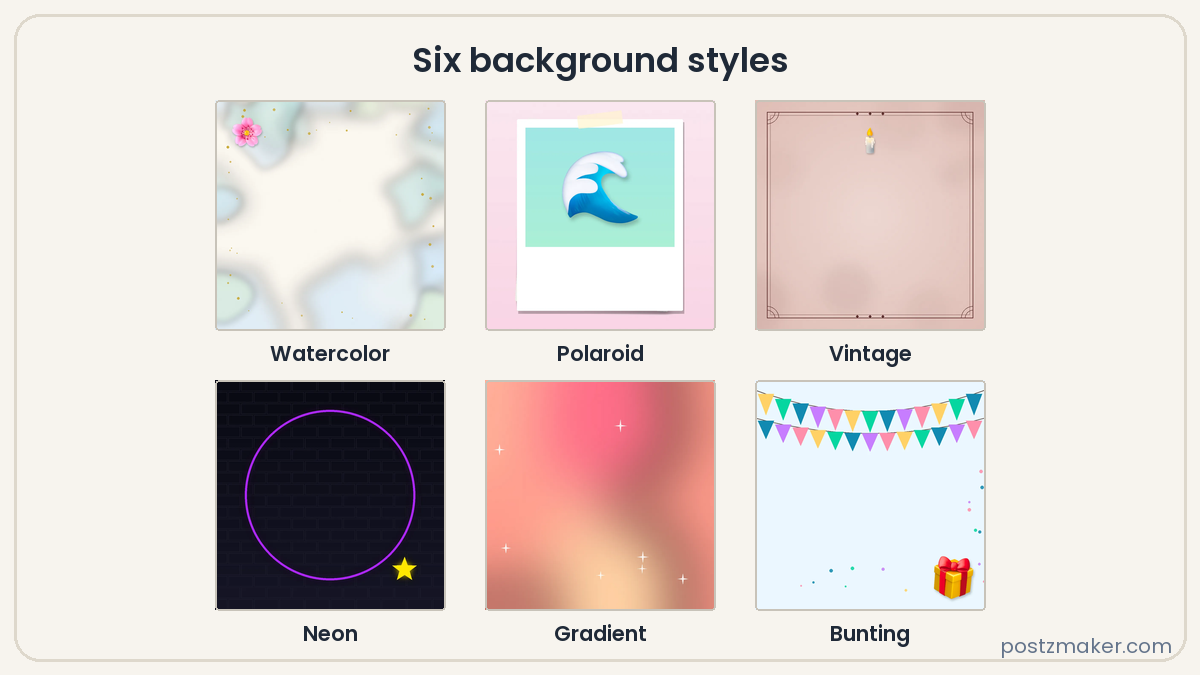
- Pick a background style: snow or Christmas tree for a cozy feel, gold or fireworks for something more festive and elegant.
- Edit the title and the message, or tap ‘Another message’ until one sounds like you. Add a name in the optional field.
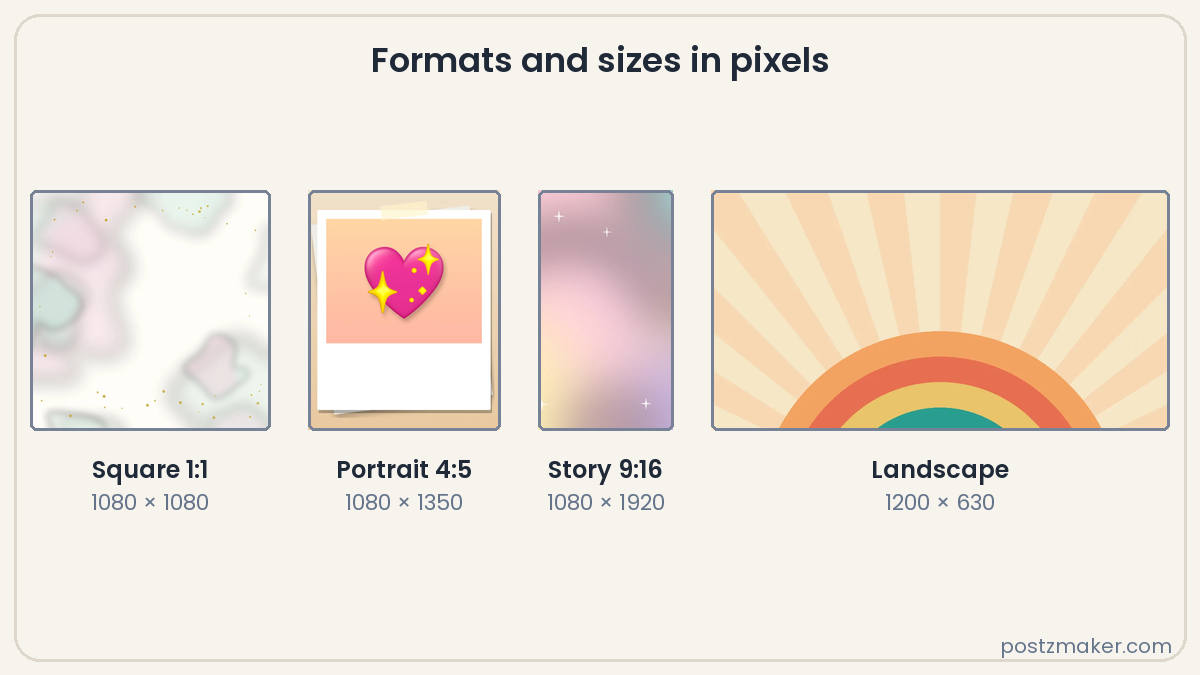
- Choose Square (1080x1080) for chats and feed posts, or Status / Story (1080x1920) for a WhatsApp status.
- Send it with ‘Send on WhatsApp’ on your phone, or download the JPG on a computer and attach it to an email.
- Add one personal sentence in your message, such as a memory of the year or a plan to meet in January.
Why most holiday wishes get ignored
In the last week of December a phone fills up with the same pictures, the same glitter and the same line about peace and happiness. People still appreciate being thought of, but they stop reading after the first words. The wishes that stand out include a real name and one real detail from the year.
A useful test: ask whether you could have sent your message to ten other people without changing a word. If so, change one thing: add a memory, a joke, a thank-you or a plan. ‘Merry Christmas, Anna! Still laughing about the burned pie’ is stronger than three paragraphs of generic hopes.
That does not mean long. Holiday messages work best short, because people read them between family meals and gift wrapping. One picture, one sentence of your own and one warm wish for the new year is a complete message.
Family: the warm, nostalgic message
Family wishes can be the most emotional of the year, especially when people live far apart. Mention the thing that makes the holiday theirs: the tradition, the dish, the sound of a particular voice in the kitchen. ‘Save me a piece of the cake and a seat by the fire’ says more than ‘Wishing you a magical season’.
For grandparents, parents and older relatives, choose a clear image with a large title and few words. For nieces, nephews and cousins, a playful picture with snow, a reindeer or a tree fits better, and a funny line will get a reply.
In a family group, one message reaches everyone. A short line for the whole group (‘To all of you, Merry Christmas’), followed by private messages to the few people who matter most, keeps the group warm without hiding anyone. If you attach a photo from the year, ask before posting pictures of relatives.
Friends: funny, brief and specific
With friends you can be playful. A joke about the year’s bad luck, the diet that starts in January or the yearly argument about the holiday playlist usually works. The goal is a quick laugh and a feeling of being remembered.
For friends you only see once a year, add a plan: ‘Let’s finally have dinner in January.’ A concrete suggestion turns a greeting into an invitation. For a close friend, a voice message next to the picture is often the part they appreciate most.
Avoid copying a long poem from the internet; most people recognize those. If you can, change a few words for every important friend instead of sending one text to twenty people. Even a nickname or a shared place makes the message feel hand-written.
- Funny: ‘Another year of surviving group chats and leftover turkey. Merry Christmas, you legend.’
- Warm: ‘Thank you for being the friend I can call at any hour. Happy holidays.’
Work: warm but professional
Work greetings are polite, short and inclusive. Colleagues and clients may celebrate different things or nothing at all, so ‘Happy Holidays’ or ‘Season’s Greetings’ is a safe alternative to ‘Merry Christmas’ when you do not know someone well. With a team you know, a warm ‘Merry Christmas’ is perfectly natural.
Keep the style calm: a gold or watercolor background, a short line, and your real name. Add a thank-you for something specific, such as a good project or a fast reply: ‘Thank you for your trust this year’ beats a mass greeting.
Send business wishes on a working day in the last week before the break, not on December 24 or 25. Never hide a request, an offer or an invoice reminder inside a greeting. The guide on greetings for colleagues and clients covers tone, formality and timing in more detail.
Timing: when to send what
Christmas wishes are best sent between December 20 and 24, with an extra message on the morning of the 25th for people you are very close to. Much earlier and the greeting is forgotten; much later and it feels like an afterthought. If the person lives in a country where Christmas is not widely celebrated, a New Year message may suit them better.
New Year wishes have two moments. The last days of December are for summing up the year and saying thank you; January 1 is for looking ahead. A message sent on the night of December 31 should be short and joyful, because everyone is busy. On January 1 it can be softer and more reflective.
If you missed the date, a belated greeting in the first week of January is still welcome: ‘Happy new year, a bit late but sincere!’ After that, skip the greeting and write about the real subject.
Choosing tone and style for each group
The picture sets the mood before the words are read. Snow, a tree and warm lights suggest coziness and suit family and close friends. Gold, fireworks and a toast suggest celebration and fit New Year and more elegant greetings. A colorful, playful style suits children and informal friends.
Match the words to the style. A formal picture with a joke looks confusing, and a cartoon-style picture with a long, serious message feels uneven. Choose one tone and stay with it. For a sentimental line, pick a calm background and a clear font so the words stay at the center.
Keep the text to three lines at most, with plenty of space around it, because a crowded picture is hard to read on a small screen in a bright room. Check that the name is spelled correctly: a digital card only replaces a paper one if it looks cared for.
Common mistakes, and the people who are easy to forget
The most frequent mistake is sending the identical message to everyone, including people who also receive it in a group. Another is ending with ‘Dear all’ when you are writing to a friend. Be careful with humor about family, politics, health or money, because holiday gatherings are sensitive.
Avoid religious assumptions when you do not know what someone celebrates, and prefer a neutral line about warmth, rest and the people you love. Do not send wishes that look like advertising unless you are a business and the person expects it.
Finally, think of people who might be alone or going through a hard period. A short message that says ‘I am thinking of you’ costs nothing and can matter a great deal. It is often worth more than a long, joyful text sent to everyone, because it shows you looked at the person and not at the contact list. Ending with a question or a plan, such as ‘What are you cooking this year?’, also gives them an easy way to answer.
Examples: holiday wishes for different people
- Mom, Dad: I am bringing the dessert, you are saving me the best chair. Merry Christmas, see you soon.
- Merry Christmas to the best neighbors. Thank you for watching our cat and for the cookies.
- To my team: thank you for a year of good work and good coffee. Happy holidays and a great new year.
- Dear Mr. Lopez, thank you for your trust this year. Wishing you a peaceful holiday and a successful new year.
- Happy New Year, Sophie. May January start slow and the year end with a trip.
- Another year, another round of promises. I will start the diet on January 2. Happy New Year!
- Merry Christmas, Grandpa. We will call you tonight so you can hear the kids sing.
- Thinking of you this season, and so glad you are part of my year. Happy holidays.
Try it now





Frequently asked questions
When should I send Christmas wishes?
The week before the holiday, from about December 20 to 24, is the best window. For people very close to you, an extra message on the morning of December 25 is welcome. If you send much earlier, the wish may be forgotten, and if you send much later it can look like an afterthought.
Is ‘Happy Holidays’ better than ‘Merry Christmas’?
It depends on the person. Among family and friends who celebrate Christmas, ‘Merry Christmas’ is natural and warm. At work or with people whose traditions you do not know, ‘Happy Holidays’ or ‘Season’s Greetings’ is a safe and polite choice. What matters most is that the wish is sincere and includes the person’s name.
What is the best way to wish a happy new year?
Keep it short and forward-looking. A good New Year message names one thing you hope for the person, such as rest, health, a trip or good news at work, and perhaps one thing you appreciated in the past year. Send it on the evening of December 31 or on January 1.
Is a picture on WhatsApp enough, or should I send a paper card?
For most people a picture with a personal line is plenty. A paper card still stands out for grandparents, close relatives and neighbors, because it is rarer now and can sit on a shelf all season. A good combination is a picture on the day and a handwritten card for the two or three people who matter most.
How can I make a mass message feel personal?
Change at least the name and one detail for every person, even if the rest stays similar. A memory, a joke or a plan makes the difference. If you really have to write to many people, do it in small groups instead of one huge list, so each message can mention something relevant to the people who receive it.
Should I mention the year that is ending?
A short look back is a nice touch if it is specific and kind: ‘Thank you for helping us move in March.’ Avoid rehashing hard moments unless the person brings them up first. The New Year message is the better place to look forward, so keep the Christmas one rooted in the people and the season.
More guides
- How to Make Good Morning Images for WhatsApp
- How to Make a Greeting Card Online for Free
- How to Make a WhatsApp Status with Text and a Background
- How to Choose the Right Background, Colors and Font
- How to Write Original Greeting Messages That Sound Like You
- How to Prepare a Different Image for Each Day of the Week
- Birthday messages for every person on your list
- Valentine’s Day messages that are not clichés
- Mother’s Day and Father’s Day: dates, messages and ideas
- Why WhatsApp images look blurry, and how to send them sharper
- Workplace greetings: coworkers, clients and your boss
- How to Make Images Everyone Can Read
- Plan Your Year of Greeting Posts, Month by Month
- What to Write for Weddings, New Babies and Graduations
- Writing to Someone Who Is Unwell or Going Through a Hard Time
- How Holidays Differ Between Italy, Spain and English-Speaking Countries
- The Full Editor, Step by Step